
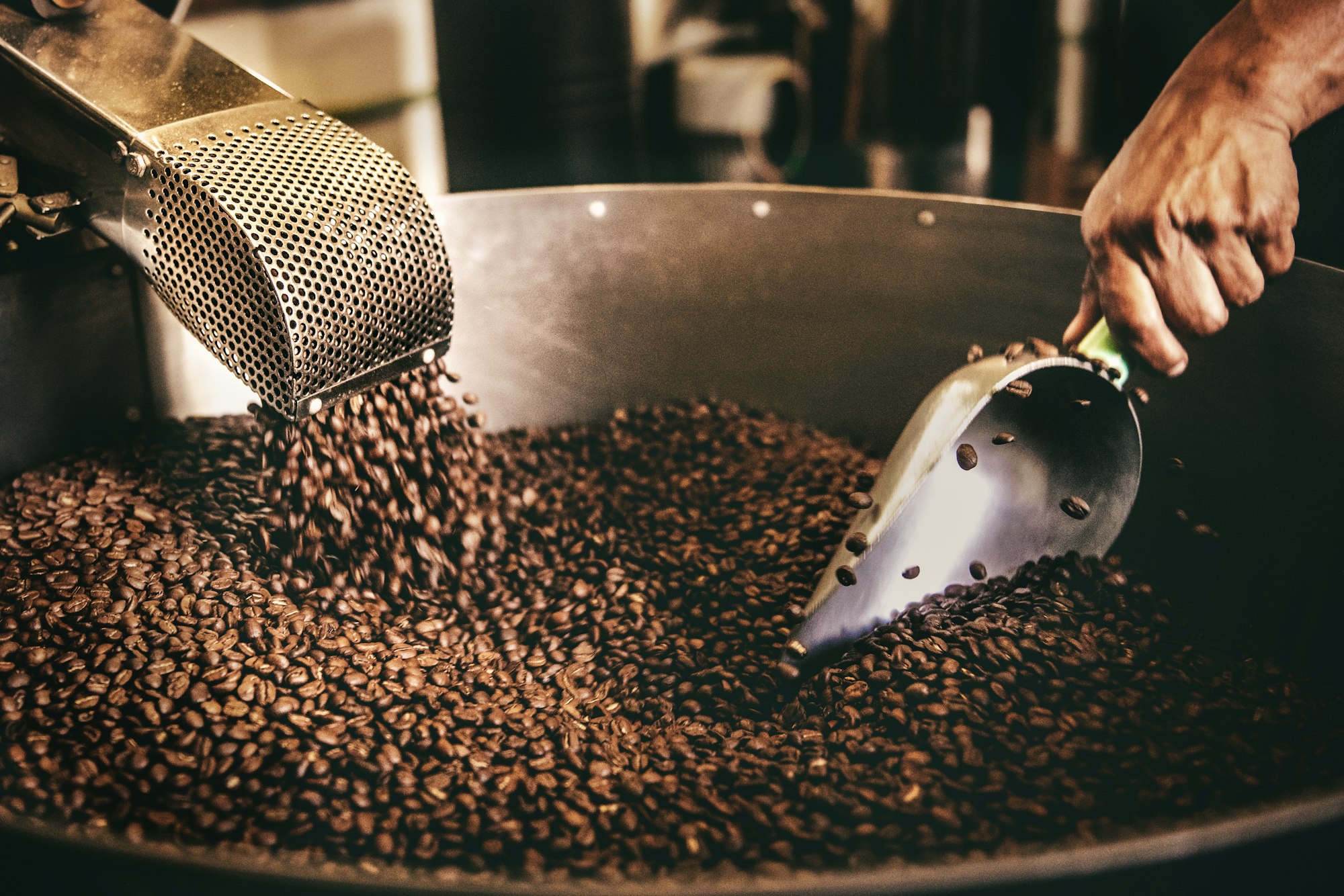
There is a bag of very good coffee going stale in your kitchen right now, or there was recently. It arrived on schedule, it cost more than supermarket coffee, and by the time you opened it the roast date was five weeks back. This is the actual failure mode of coffee subscriptions, and almost no comparison mentions it.
People do not cancel because the coffee was bad. They cancel because it kept arriving faster than they drank it, and the guilt of a cupboard full of expensive beans is more unpleasant than drinking something ordinary. Six UK subscriptions below, compared on roast date, cadence and what a cup actually costs.
The Short Version
- Roast date beats origin, every time. A competent coffee roasted nine days ago will beat an exceptional one roasted two months ago. Freshness is the variable you are actually buying.
- Work out your consumption before your taste. Two people drinking two cups a day get through roughly a 250g bag a week. One person having one cup takes nearly a month.
- Price per bag hides more than it shows. £8.95 for 250g is about 36p a cup at 18g per cup, which is the number worth comparing against your current habit.
- Whole bean or nothing, if you have a grinder. Pre-ground loses most of what you are paying the premium for within about fifteen minutes.
- The good ones let you skip without a fight. Flexibility is a feature, and the subscriptions that bury the pause button are telling you something.
Roast Date Is the Whole Game
Coffee is at its best somewhere between about five days and four weeks after roasting. Before that it is still degassing and tastes thin and sharp; after it, the aromatics that justify single-origin pricing have largely gone and you are left with something that is merely brown and bitter.
Supermarket coffee is usually printed with a best-before date eighteen months out and no roast date at all, which tells you everything about where in that curve it sits. The entire argument for a subscription is that it collapses the gap between roasting and your kitchen — the roaster fires up, your bag ships, and you are drinking it inside the window.
So the first question for any subscription is whether it prints a roast date on the bag, and the second is how recent it typically is. A service that roasts to order and ships within a few days is doing the job. One that ships from a warehouse of pre-roasted stock is selling you nicer packaging.
The Six, at a Glance
| Roaster | From, per 250g | Roughly per cup | Strongest for |
|---|---|---|---|
| Rave Coffee | About £6.25 | About 25p | Volume without losing quality |
| Pact Coffee | About £8.95 | About 36p | Flexibility and a clear roast policy |
| Clumsy Goat | About £8.95 | About 36p | Fairtrade sourcing |
| Grind | Varies by format | Varies | Pods and beans in one account |
| Ozone (formerly Hasbean) | About £8.50 upward | About 34p | Rotating single origins |
| Origin Coffee | About £12.95 | About 52p | Provenance and depth |
Starting prices as published in October 2026, for the cheapest regular subscription tier. Per-cup figures assume 18g of coffee per cup, so about 14 cups from a 250g bag. Roasters change tiers and run introductory offers constantly, so treat these as the shape of the market rather than a quote.
The Six, in Detail
1. Pact Coffee
The most recommended UK subscription, and the one that made the category mainstream. Roasted in Surrey, with a stated policy of roasting no more than about seven days before delivery, and a roast date printed on the bag so you can check whether they held to it.
Tiers run from roughly £8.95 a bag on the house blend up through a select tier near £9.95 and micro-lots around £12.95. The genuine strength is administrative rather than agricultural: you can set frequency anywhere from weekly to every sixty days, skip a delivery, swap the coffee, pause or cancel without a phone call. That is the single feature that prevents the stale-bag spiral.
Where it falls down: the default cadence is more generous than most households need, and the entry blends are good rather than remarkable. Reviewers occasionally report bags arriving closer to the edge of the freshness promise than the marketing implies.
2. Rave Coffee
The value pick, and by some margin. Subscriptions start around £6.25 per 250g, which is roughly 25p a cup — close to supermarket pricing for coffee that is roasted to order in Cirencester.
It is also the most practical for people who drink a lot: larger bag sizes bring the per-cup cost down further, and the range is broad enough that you can settle on one house coffee and stop thinking about it. Grind options cover everything from espresso to cafetière.
Where it falls down: less curation and less storytelling. If part of what you want from a subscription is a note about the farm and the processing method, this is not the one. It is coffee as groceries, done well.
3. Origin Coffee
The Cornish roaster, and the most expensive here at around £12.95 for a feature coffee. What you are paying for is depth of sourcing: long-term relationships with specific producers, and a feature coffee programme that treats each release as a thing worth explaining.
For someone who already has a decent grinder and cares which washing station the lot came from, this is the subscription that rewards the equipment. For someone making a flat white with supermarket milk on the way out of the door, it mostly does not.
Where it falls down: at roughly 52p a cup it is double Rave, and the difference is audible only if you are brewing carefully. It is a luxury, priced honestly as one.
4. Ozone, formerly Hasbean
Hasbean’s long-running In My Mug subscription — a different coffee every week, with notes — is the closest thing UK speciality coffee has to an institution, and it now sits under the Ozone name following their combination.
The pitch is variety rather than consistency: you are subscribing to be shown things, not to receive the same bag repeatedly. Prices start around £8.50 per 250g, with the weekly single-origin format working out higher. If you enjoy the discovery, nothing else here matches the range.
Where it falls down: the rebrand has left naming and pricing confusing across the web, so check the current site rather than trusting a comparison. Weekly variety also means weekly recalibration of your grinder, which is a hobby, not a convenience.
5. Clumsy Goat
A Roast of the Month subscription at around £8.95 a bag, with the distinguishing feature being 100% Fairtrade sourcing across the range rather than on selected lots.
If certified sourcing is the thing you want settled rather than investigated bag by bag, this removes the research. The monthly single-coffee format is also the right cadence for a household drinking a bag every few weeks, which is most households.
Where it falls down: less flexibility than Pact on frequency, and a smaller range if you want to pick rather than receive. Fairtrade certification is a floor on farmgate price, not a guarantee of cup quality.
6. Grind
The one that solves a format problem rather than a coffee problem. Grind covers beans, ground and compostable pods in a single account, which matters in the very common household where one person has a grinder and the other wants to press a button before work.
It is Soil Association certified organic, the branding is better than anyone else’s here, and pod subscriptions start low. For a household running both a machine and a pod machine, nothing else on this list avoids two separate subscriptions.
Where it falls down: per-bag pricing is harder to pin down than the others because the formats differ so much, and pods are inherently more expensive per cup than beans whatever they are made of. You are paying partly for design.
Matching Cadence to Consumption
This is the part that decides whether a subscription lasts. Do the arithmetic once, before you sign up, and set the frequency to slightly less than you think you need.
- A 250g bag makes about 14 cups at 18g a cup, which is a standard dose for a double espresso or a decent cafetière mug.
- One person, one cup a day: a bag lasts a fortnight. Monthly delivery of two bags is right; weekly is a cupboard problem.
- Two people, two cups a day each: roughly a bag every three or four days. This is the only profile where weekly multi-bag delivery makes sense.
- Weekends only: a bag lasts over a month, which is past the good window. Buy from a shop instead, or take the smallest, least frequent option available.
- Erratic: pick whoever makes skipping easiest, and skip without guilt. A subscription you pause twice a quarter is working correctly.
How to Choose
- Count your cups for one honest week. Not your aspirational week. The number decides the cadence, and the cadence decides whether this works.
- Check whether a roast date is printed. If it is not on the bag, the roaster has decided you should not know, which is an answer.
- Buy whole bean if you own a grinder, ground if you do not. A subscription will not fix the fact that pre-ground coffee goes flat in minutes, and a cheap blade grinder is worse than good pre-ground.
- Find the pause button before you subscribe. If it takes more than two clicks in the account area, assume cancelling is worse.
- Start one tier below the one you fancy. Most people cannot reliably distinguish the middle tier from the top in a home setup, and the gap funds a lot of coffee.
- Give it three deliveries. The first bag is novelty, the second is judgement, the third tells you whether the cadence is right.
Frequently Asked Questions
How long does coffee actually stay good?
Roughly five days to four weeks from roasting for whole beans kept sealed and away from light and heat, with the best stretch in the middle. Ground coffee loses its aromatics in minutes rather than weeks, which is why the gap between a subscription and a supermarket shelf is much wider for beans than for ground.
Should I freeze the beans?
It works if you do it properly: freeze in small airtight portions and take out only what you are about to use, never refreezing. Repeatedly opening a bag in the freezer introduces condensation and is worse than leaving it in the cupboard. For most households, buying less more often is the simpler fix.
Is a subscription actually cheaper than a café?
Dramatically, on the coffee itself. At 25p to 52p a cup against roughly £3.50 for a flat white, one subscription cup a day pays for itself almost immediately. The honest caveat is equipment: a grinder and a decent brewer cost real money upfront, and that is where the saving goes in year one.
Do I need an expensive grinder?
You need a burr grinder rather than a blade one. Blade grinders produce an uneven mix of dust and boulders that extracts inconsistently, which will undo the benefit of good beans entirely. A modest burr grinder improves the cup more than moving up two subscription tiers.
What if I do not like what arrives?
Most of these let you swap the coffee or change the profile in your account, and several will replace a bag you genuinely dislike. Before you do, check the grind setting and the dose — an unpleasant cup from good beans is more often an extraction problem than a sourcing one.


Leave a Reply